

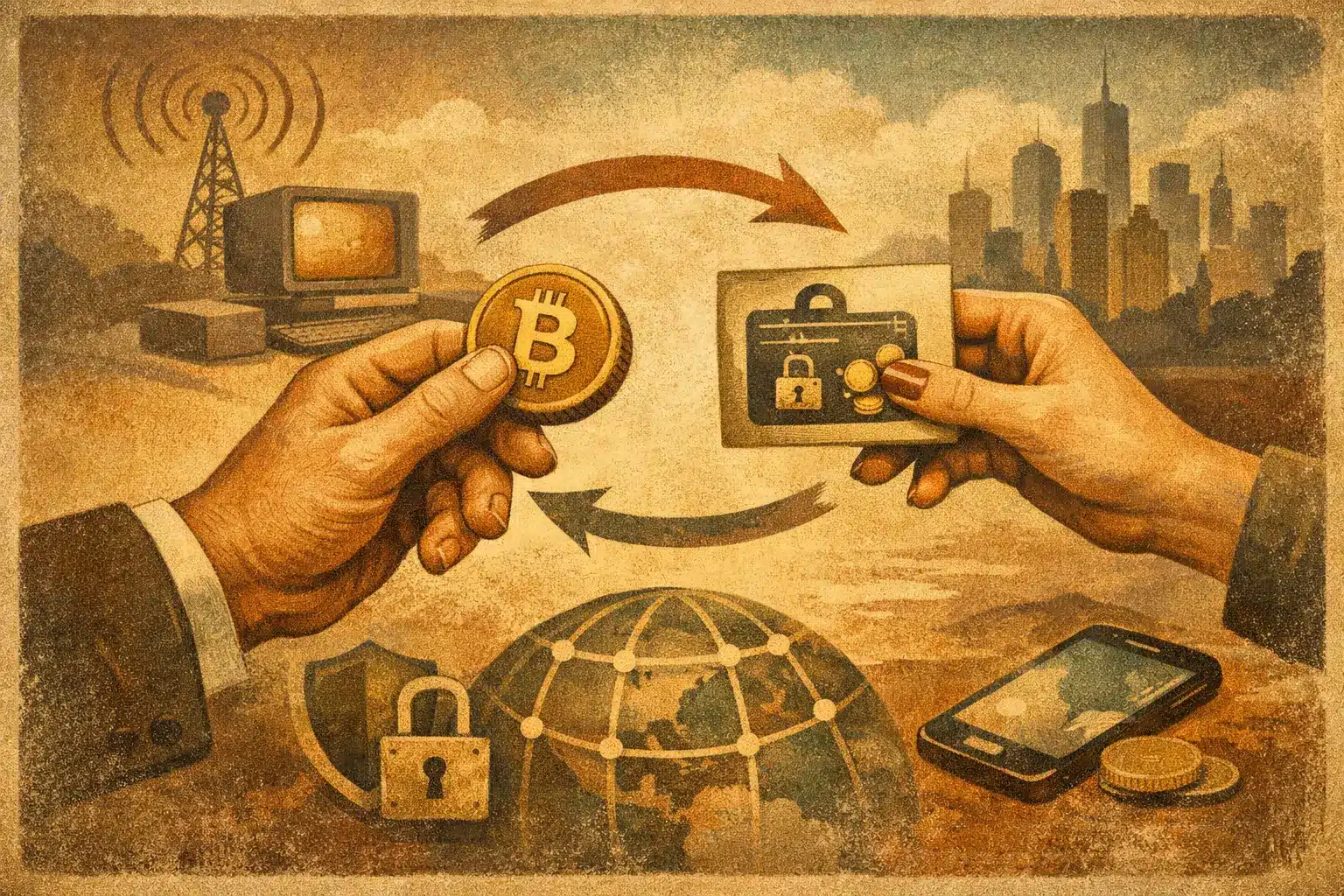
Sending crypto can feel unnerving the first time. One wrong character in a wallet address, one rushed tap on the wrong network, and the money may be gone for good. That is exactly why learning how to transfer crypto safely matters so much, especially if you are new to it and want calm, sensible habits rather than guesswork.
The good news is that safe crypto transfers are usually not about advanced technical skill. They are about slowing down, checking the right details, and understanding what can and cannot be reversed. Once you know the basic process, it becomes much less intimidating.
Why crypto transfers need extra care
When you send money through a bank, there is often a customer service team, a fraud department, or a chargeback process if something goes wrong. Crypto works differently. In most cases, once a transaction is confirmed on the blockchain, it cannot simply be pulled back.
That sounds harsh, but it is also part of why people value it. You stay in control of your money. The trade-off is that you also carry more responsibility. If you send Bitcoin to the wrong address, or use the wrong network for a token transfer, there may be no practical way to recover it.
This is one reason many beginners benefit from starting with a plain-English explanation before trying anything on their own. If you want that kind of grounding, you can start with the Free First Lesson: https://simplylearncrypto.com/free-lesson/
Before you send anything, know what you are sending
A surprising number of transfer mistakes happen before the transfer itself. People confuse a coin with a network, or assume all wallet addresses work in the same way. They do not.
Bitcoin usually moves on the Bitcoin network. Ether usually moves on Ethereum. Some assets, such as USDT, can exist on several different networks. If the sending platform says you are withdrawing on one network, but the receiving wallet only supports another, you could lose access to the funds.
So the first rule is simple: make sure the coin and the network match at both ends. If you are not fully sure, stop there and check before proceeding.
How to transfer crypto safely step by step
The safest approach is not complicated, but it is disciplined.
First, confirm the receiving wallet is correct for that specific asset. If you are sending Bitcoin, use a Bitcoin wallet address. If you are sending an Ethereum-based token, make sure the receiving wallet supports both the token and the network being used.
Next, copy the receiving address carefully. Most people use the copy button rather than typing it by hand, which is sensible. After pasting it, check the first few characters and the last few characters against the original. This helps catch copying mistakes and clipboard tampering.
Then check the network again. This deserves a second look because it is one of the most common beginner errors. A correct address on the wrong network can still create a problem.
After that, look at the fees and the amount arriving. Sometimes a transfer fee is taken from the amount you send. Other times you need a small balance left in the account to cover network costs. Make sure you understand what will leave your wallet and what should arrive.
Finally, if it is your first transfer to a new wallet or platform, send a small test amount first. This is one of the best habits you can develop. It may feel slightly tedious, but it is far better than discovering a mistake with your full balance.
The small test transfer is not paranoia
Many people skip the test transaction because they do not want to pay the fee twice or they are in a hurry. That is understandable, but it is often a false economy.
A small test proves four things at once. It confirms the address is correct, the network is correct, the receiving wallet can access the funds, and you understand the process well enough to repeat it. Once the test amount arrives, you can send the larger amount with much more confidence.
For anyone moving a meaningful sum, especially part of long-term savings, this step is well worth it.
Common mistakes that cost people money
Some transfer errors are technical, but many are simply human. Rushing is a big one. People often send crypto while distracted, tired, or under pressure. That is exactly when details get missed.
Another common mistake is trusting an address sent by message without verifying it properly. Scammers may impersonate support staff, investment companies, or even friends. If someone gives you a wallet address and urges you to act quickly, pause. Pressure is a warning sign.
There is also malware that can replace a copied wallet address with a scammer’s address in your clipboard. That sounds dramatic, but it is real. This is why it helps to compare the beginning and end of the address after pasting.
And then there is the issue of fake websites and apps. If you log in through a spoofed exchange page and follow its instructions, you could be sending funds straight to criminals. Use bookmarked websites, official apps, and two-factor authentication wherever possible.
How to transfer crypto safely from an exchange to a wallet
For many beginners, this is the first transfer they ever make. The basic principle is simple: your exchange account is the sender, and your personal wallet is the receiver.
Open your wallet first and generate the correct receiving address for the coin you want to move. Copy that address. Then go to your exchange, choose withdraw or send, paste the address, select the correct network, and review everything slowly.
Do not be surprised if the exchange asks for extra verification by email, text, or authentication app. That can feel inconvenient, but it is often part of keeping your account secure.
If the wallet is brand new, it is worth checking that you have backed up your recovery phrase properly before sending any larger amount. There is little point moving crypto to a wallet if you have not secured the keys to that wallet.
If terms like wallet, network and recovery phrase still feel a bit fuzzy, it may help to download your Free Bitcoin Guide: https://simplylearncrypto.com/free-guide/
Extra checks for larger amounts
When the amount is small, people tend to be casual. When the amount is large, they become nervous. The right answer is to be careful in both cases, but especially with sums you would hate to lose.
For larger transfers, do it somewhere quiet. Do not multitask. Double-check the address, the network, the amount, and the destination platform. If possible, have a written checklist beside you. That is not overkill. Pilots use checklists for a reason.
Some people also prefer to split a very large transfer into two or three stages rather than moving everything at once. There is no universal rule here because fees can add up, but for peace of mind it can be sensible.
When to stop and ask for help
If anything looks unfamiliar, stop. If a wallet asks you to approve something you do not understand, stop. If a website says your funds are frozen unless you send more crypto, stop immediately. That is a classic scam pattern.
Good crypto habits are often less about knowing every detail and more about recognising when not to proceed. There is no prize for doing it quickly.
A calm learner usually does better than a confident guesser. That is especially true if you are thinking about crypto as part of longer-term wealth preservation rather than speculative trading.
Build a routine you can trust
The safest crypto users are rarely the most technical. They are the most consistent. They follow the same checks every time, even when the transfer seems routine.
A sensible routine might be: confirm the asset, confirm the network, paste the address, check the first and last characters, send a small test, wait for confirmation, then send the main amount. Boring? Perhaps. Effective? Very much so.
With practice, these steps become normal. The aim is not to make crypto feel exciting. The aim is to make it feel manageable.
If you would like to take the next gentle step, you can start with your Free First Lesson here: https://simplylearncrypto.com/free-lesson/
This article is shared for entertainment and educational purposes only. It is not financial advice. Crypto investments involve risk, and past performance is not a guide to future results. Always do your own research or speak to a qualified financial advisor before making any investment decisions.
