

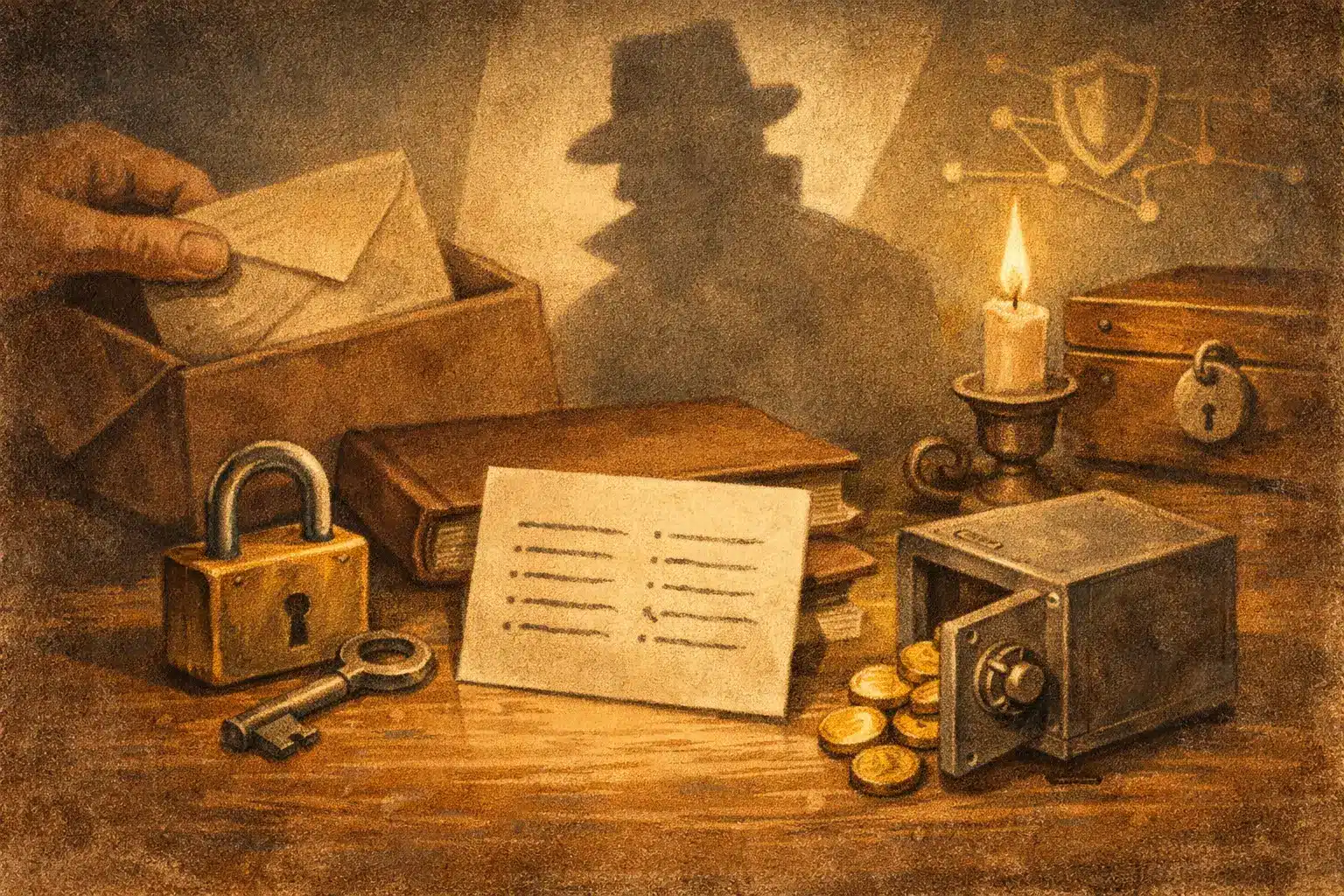
If someone gets your seed phrase, they get your crypto. It really is that simple. For many beginners, especially if you are setting up a wallet for the first time, learning how to protect seed phrases matters more than almost anything else in crypto.
A seed phrase is usually a list of 12 or 24 words given to you when you create a wallet. Those words are the master key to your funds. If your phone breaks, your laptop is stolen, or your wallet app stops working, the seed phrase can restore access. But if a scammer sees it first, they can empty the wallet without asking permission.
That is why your seed phrase should be treated more like the deeds to your house than a normal password. You do not carry house deeds around in your pocket, and you do not send them to strangers. The same careful mindset works well here.
How to protect seed phrases from the start
The safest time to protect your seed phrase is the moment you create it. Small mistakes at the beginning often cause the biggest problems later.
When your wallet shows you the phrase, write it down by hand immediately. Use clear handwriting and keep the words in the exact order shown. One spelling mistake or one word out of place can stop you recovering the wallet later. Do not rely on memory, even if you feel sure you will remember it. Most people will not.
Just as important, do not take a photo of it. This catches many people out. A photo may quietly sync to cloud storage, appear on another device, or remain in a deleted folder you forgot about. The same goes for typing it into your notes app, saving it in a Word document, emailing it to yourself, or storing it in a password manager unless you fully understand the extra risks. For beginners, paper is usually safer than digital convenience.
If you are still getting comfortable with wallets and recovery phrases, it can help to build your foundation first with the Free First Lesson. It explains the basics in plain English without the usual tech overload.
The biggest mistakes people make
Most seed phrase losses do not happen because of advanced hackers. They happen because ordinary people make understandable decisions under pressure.
One common mistake is storing the phrase somewhere too convenient. A drawer beside the computer, a folded note in the phone case, or a piece of paper labelled “Bitcoin wallet” all make life easier for the wrong person. Convenience and security are often in tension. If something is easy for you to grab in seconds, it may also be easy for someone else.
Another mistake is sharing it with a helpful-looking person. No genuine support worker, wallet provider, exchange employee or educator needs your seed phrase. Ever. If someone asks for it, that is the scam. It does not matter how polished their website looks or how urgent their message sounds.
There is also the opposite problem: hiding it so well that you cannot find it yourself. This is more common than you might think. Some people place a backup in such a secret location that, months later, they cannot remember where it is. Good security is not about drama. It is about a calm system you can trust.
Where should you keep a seed phrase?
For most people, the best answer is an offline written copy kept in a private, secure place at home. That might be a locked drawer, a home safe, or another location that is not obvious to visitors, tradespeople or extended family.
Whether one copy is enough depends on your situation. A single copy reduces the number of places it can be stolen from, but it increases the chance of total loss from fire, flood or simple misplacement. Two copies in separate secure locations are often a sensible middle ground. For example, one at home and one in another trusted location.
The word trusted matters here. You may trust a family member with your life and still decide not to leave your seed phrase in their kitchen cupboard. This is not about suspicion. It is about reducing accidental exposure. Anyone who finds those words can use them, even if they were never meant to see them.
Some experienced holders use metal backup plates instead of paper because they can survive fire and water better. That can be useful, especially for larger amounts or long-term holdings. But it also comes with a trade-off: metal backups cost more and can feel intimidating to a beginner. Start with a method you will actually use correctly.
Should you split a seed phrase into parts?
Some people divide their seed phrase and store half in one place and half somewhere else. On paper, this sounds clever. In practice, it can create fresh problems.
If you split it badly, you may make recovery harder for yourself without making theft much harder for a determined criminal. You also increase the chance of losing one section, mixing up the order, or confusing family members if they need to help you later.
For beginners, simple is often safer. A complete copy stored securely is usually better than a complicated system you may not maintain properly. Security is not about sounding clever. It is about staying in control.
How to protect seed phrases from scams
Scammers know that many beginners do not fully understand what a seed phrase is. They use this gap in confidence against people.
A common trick is a fake warning that your wallet is at risk and needs “verification”. Another is a fake support chat asking you to type your recovery phrase into a form. Some criminals even build lookalike wallet apps or websites that ask for the phrase during setup.
A useful rule is this: your seed phrase is only for you to write down and use when restoring your own wallet. It is not for customer support, not for investment groups, not for tax help, not for giveaways, and not for anyone claiming to help recover lost funds.
If you would like a calmer introduction to staying safe, you can also download your Free Bitcoin Guide. It is designed for beginners who want plain-English explanations rather than internet noise.
Think about family, legacy and emergencies
For adults over 45, seed phrase protection is not only about theft. It is also about making sure your money is not lost if something happens to you.
If you alone know where everything is, your family may struggle to access your holdings in an emergency. On the other hand, if you hand over the full seed phrase too casually, you create a new risk while you are still alive. This is where personal circumstances matter.
A balanced approach may involve leaving clear instructions about what exists, where essential documents are kept, and who to contact for guidance, without placing the complete seed phrase in an obvious place. Some people choose to discuss this with one trusted family member. Others keep written instructions with their will. There is no single perfect answer, but ignoring the issue is rarely the best plan.
The goal is not to frighten yourself. It is to build a simple system that protects both access and privacy.
A calm routine for checking your setup
Good security is not a one-off event. It helps to review your arrangement every so often, especially after moving house, changing wallets, buying a safe, or updating your wider financial paperwork.
Check that your written phrase is still readable. Make sure you can still find it. Confirm that any second copy is where you expect it to be. If your storage method no longer feels suitable, update it carefully and destroy any outdated copies you no longer need.
This is also a good time to ask yourself an honest question: if you had to recover your wallet tomorrow, would you know what to do? If the answer is no, more learning now could save a lot of stress later.
The best protection is often boring
The people who keep crypto safely for years are not usually the most technical. They are the most consistent. They do not photograph seed phrases, they do not type them into random websites, and they do not let panic override common sense.
That may sound almost too simple, but simple is exactly what works. If you treat your seed phrase like a serious private document, keep it offline, store it carefully, and never share it, you are already avoiding many of the mistakes that cause the worst losses.
If you would like to take the next gentle step, you can start with your Free First Lesson here: https://simplylearncrypto.com/free-lesson/
“This article is shared for entertainment and educational purposes only. It is not financial advice. Crypto investments involve risk, and past performance is not a guide to future results. Always do your own research or speak to a qualified financial advisor before making any investment decisions.”
